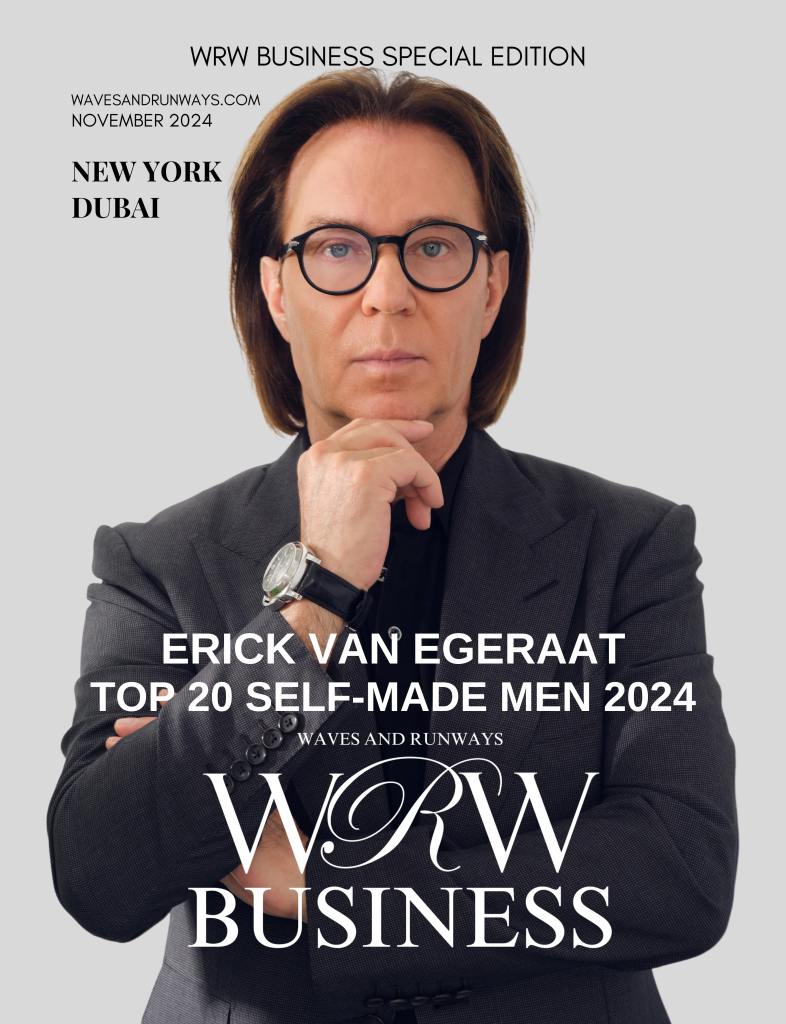
Erick van Egeraat, the Amsterdam-born visionary, has redefined global architecture over a remarkable 40-year career. With 166+ landmark projects across 10+ countries—from public landmarks and commercial icons to luxury interiors, social housing, historic revivals, and transformative city masterplans—his bold, personal, and expressive vision has earned him international acclaim and a trove of prestigious awards, cementing his legacy as an architectural luminary. At just 24, Erick revolutionized social housing in the Netherlands with a pioneering waterfront high-rise that blended green spaces and elevated living standards, proving that affordable housing could also be aspirational, sparking a revolution that set the stage for decades of transformative projects.
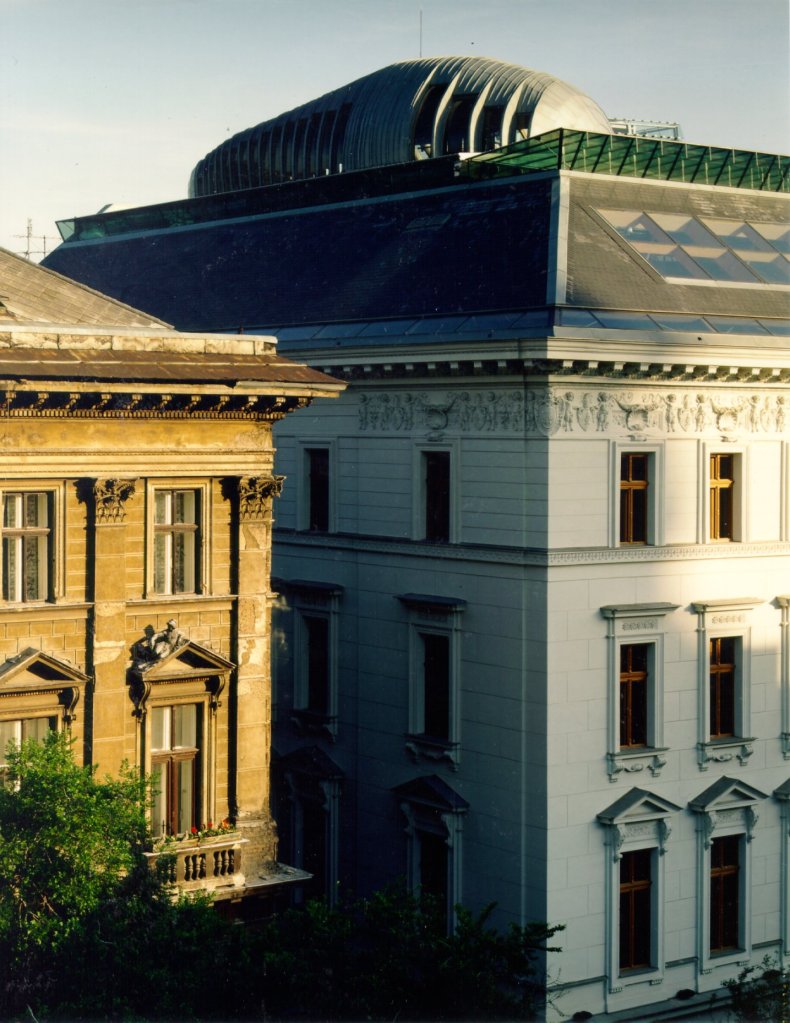

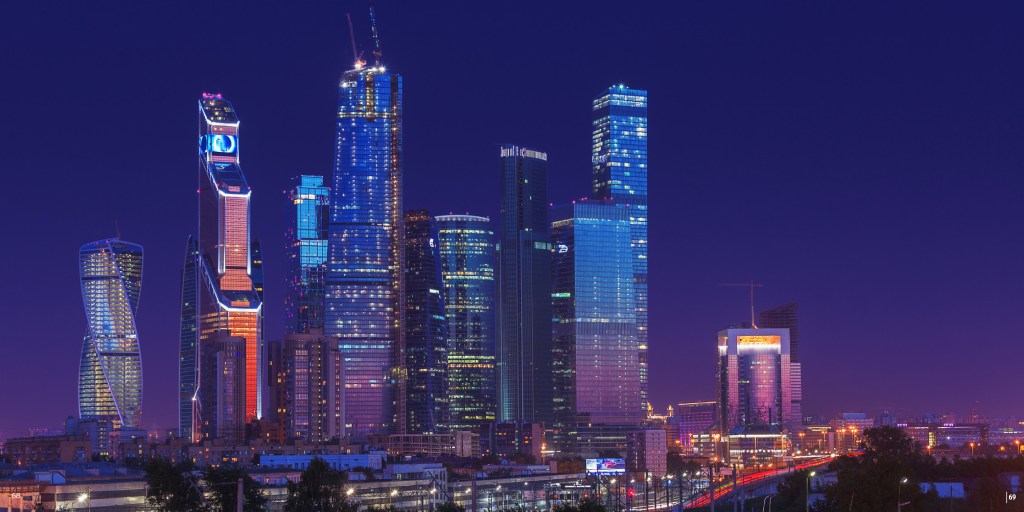
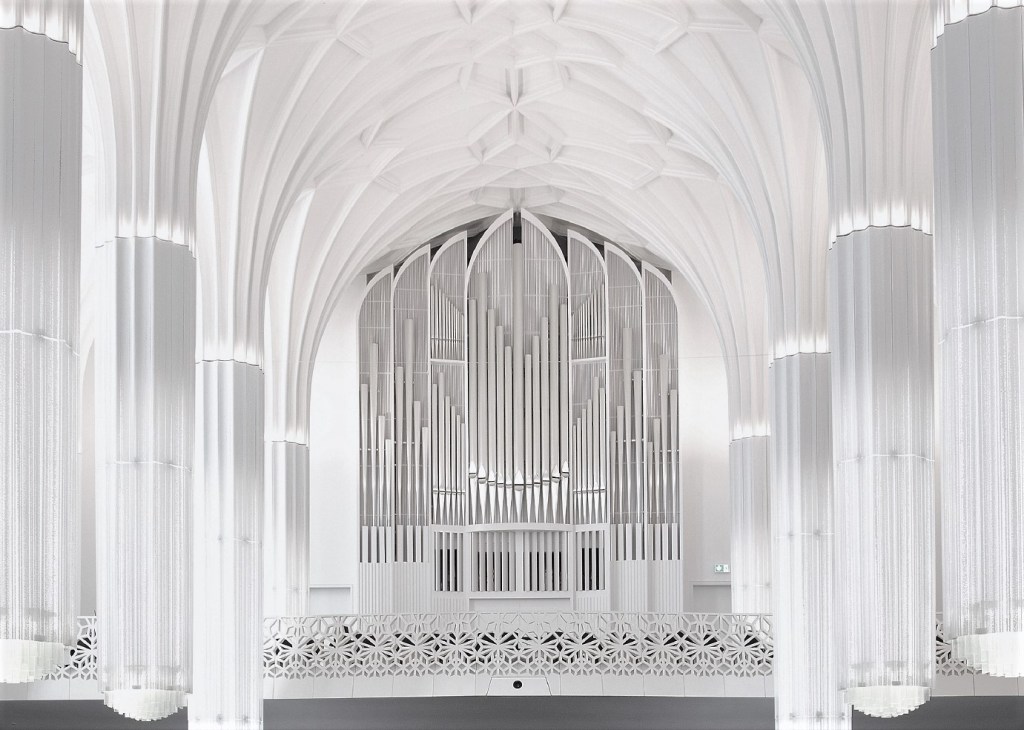
Erick’s fascination with historic cities led him to Central and Eastern Europe in the 1980s, just as the Iron Curtain fell. As the first Westerner to seize the opportunity, his signature “Modern Baroque” style—juxtaposing uncompromising modernism with intuitive organic shapes—made waves in Prague, Budapest, Bratislava, Warsaw, and more, gracefully transforming the region’s architectural landscape. He continued to make history as the first Western architect to leave a mark in the Russian capital, with bold projects like the Capital City Tower and Mercury Tower. His recent design for a power plant in Turkey exemplifies his ability to reshape perceptions of sustainability in energy, setting new standards for industrial design. Equally active in the West, Erick delivered groundbreaking projects like the Floriade in Almere, a sustainable green district city, and the Roskilde Waste to Energy Plant in Denmark, a modern sustainable landmark. His award-winning environment-friendly mixed-use building in Hamburg uniquely redefined HafenCity’s urban fabric, while his transformative University of Leipzig design masterfully honors history with visionary contemporary architecture. Erick’s designs are more than buildings—they are statements advocating sensibility and mastering complexity. His legacy continues to push the boundaries of modern architecture, shaping better urban futures where ecological responsibility, resilience, timeless value, and social cohesion are central.

 Waves and runways