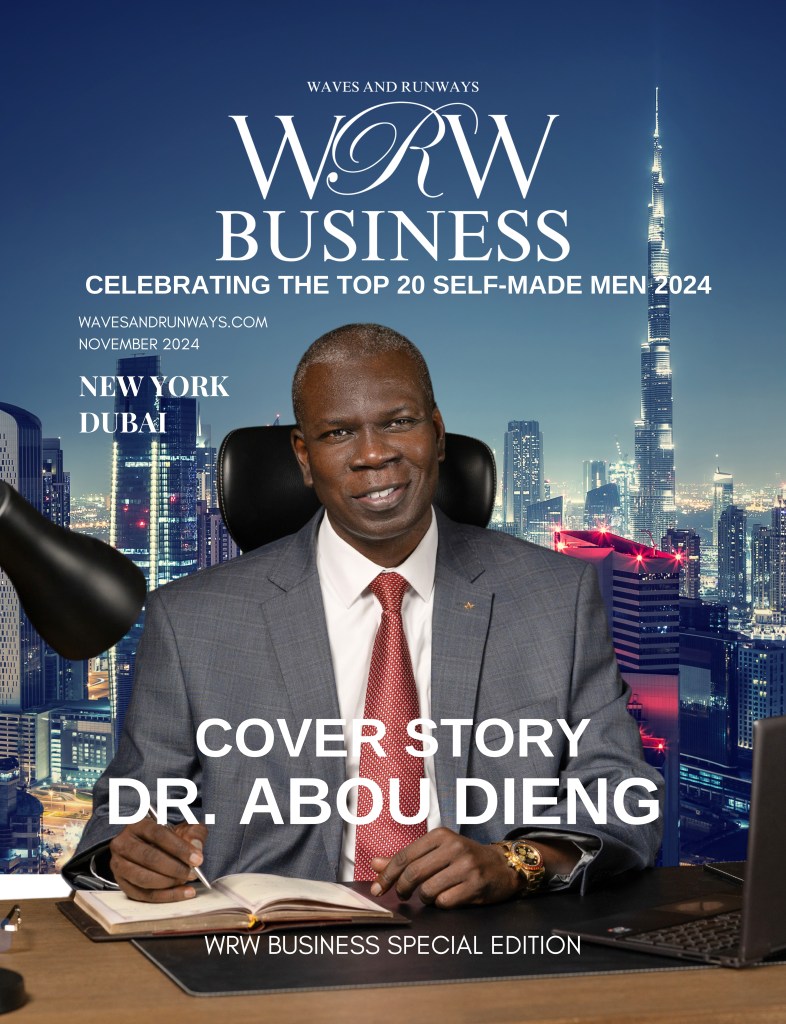
Beyond Borders: The Rise of Dr. Abou Dieng.
In 1990, Dr. Abou Dieng embarked on a transformative journey from Senegal to the United States, armed with a student visa and an ambition to explore academic and business opportunities. In his early months, he quickly established a business trading in-demand products while working to improve his English. Despite early success, a sense of unfulfillment lingered until an unexpected encounter with a Wall Street professional in a New York City subway sparked a pivotal conversation. This interaction ignited a profound shift in his aspirations, leading him to reevaluate his purpose and focus on contributing to Africa’s development, rather than pursuing personal success. Motivated by this newfound vision, Dr. Dieng sold his company and redirected his efforts towards obtaining a MBA in finance at Pace University. During this time, he dedicated himself to researching Africa’s socio-economic challenges, identifying “access to capital” as a critical barrier preventing many African nations from meeting the financial criteria required by global institutions like the IMF and World Bank to secure necessary funding.
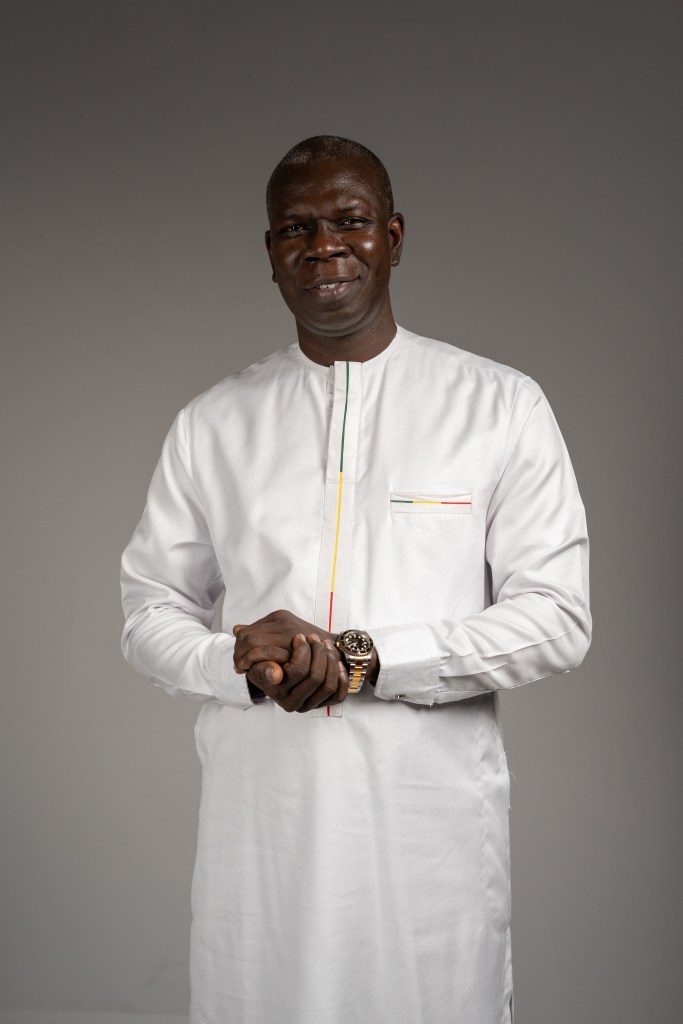
By 1998, Dr. Dieng had established two successful companies in the U.S., including a consulting firm that later evolved into Global Green International Holdings. Today, it operates globally, making impactful contributions across sectors such as energy, housing, agriculture, education, banking, mobile money, telecommunications, and government consulting. The firm has forged strategic partnerships with over 300 financial institutions worldwide, including the World Bank and IMF.
It operates in 29 African nations and holds interests in 45 countries with offices in 10 countries.
Dr. Dieng’s portfolio includes over 150 global projects (the 2007 Panama Canal renovation; facilitating African governments’ access to funding; and a pioneering Waste to Energy partnership in Africa, 2014), showcasing his commitment to global impact. He remains at the forefront of driving transformative initiatives that integrate Africa’s development into the global economy.
His flagship project, the “Green Revolution,” aims to create food sovereignty in Africa by 2030 and transform the continent into a global food supplier, backed by actionable strategies.
 Waves and runways